Living with Fire

Prescribed & Managed Fire

Fire is not new to North Central Washington

For more than 10,000 years, our forests and shrub-steppe landscapes evolved with frequent, low- to mixed-intensity fire. Today, prescribed and managed fire are tools that can help restore that balance.

This page explains what prescribed fire is, why it matters for our landscape, and how you can be involved.

What Is Prescribed Fire?

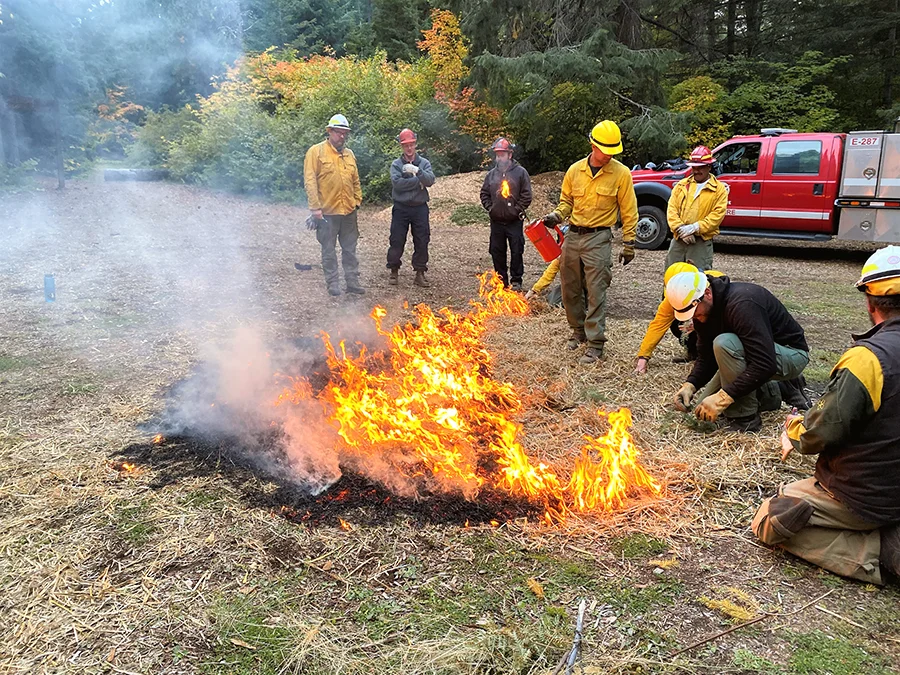
2019 10 05 Fall 2019 Cascadia TREX Fire And Fuels Class Kara Karboski 0250
2019 10 05 Fall 2019 Cascadia TREX Fire And Fuels Class Kara Karboski 0168

photo credit: Kara Karboski, Washington RC&D

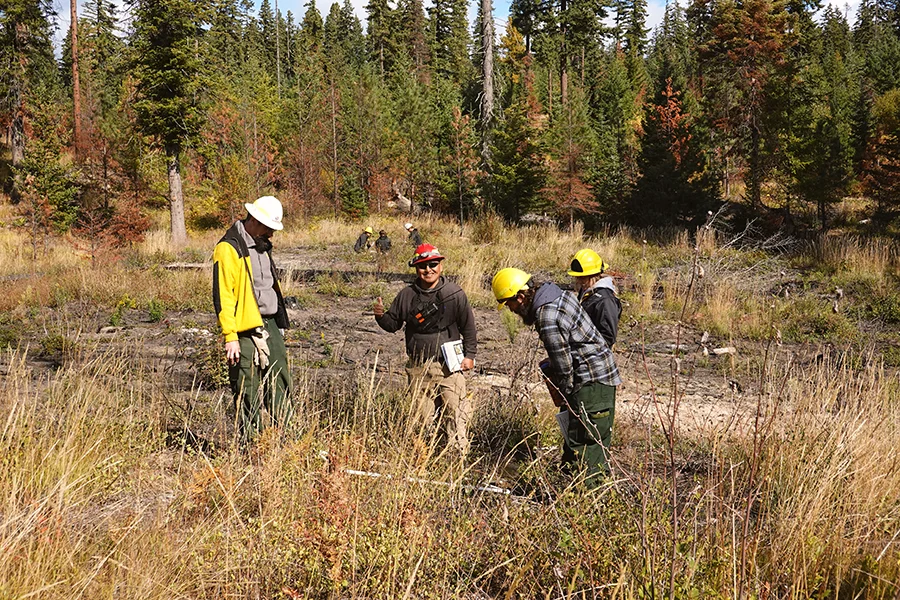
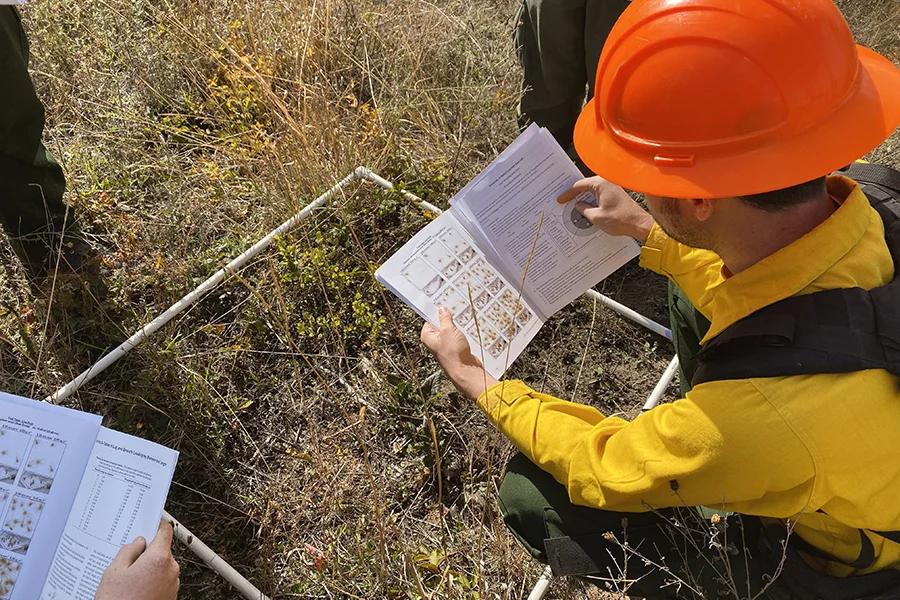
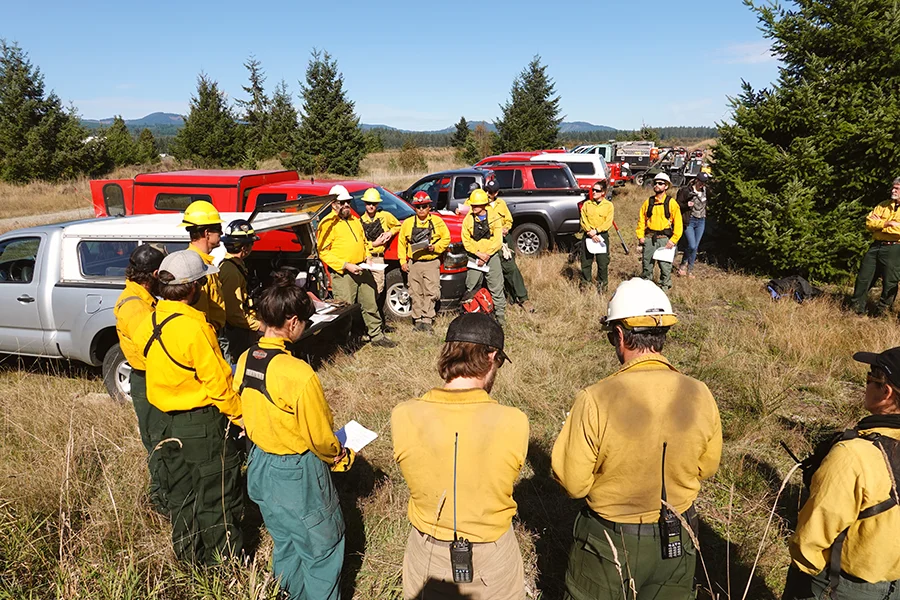
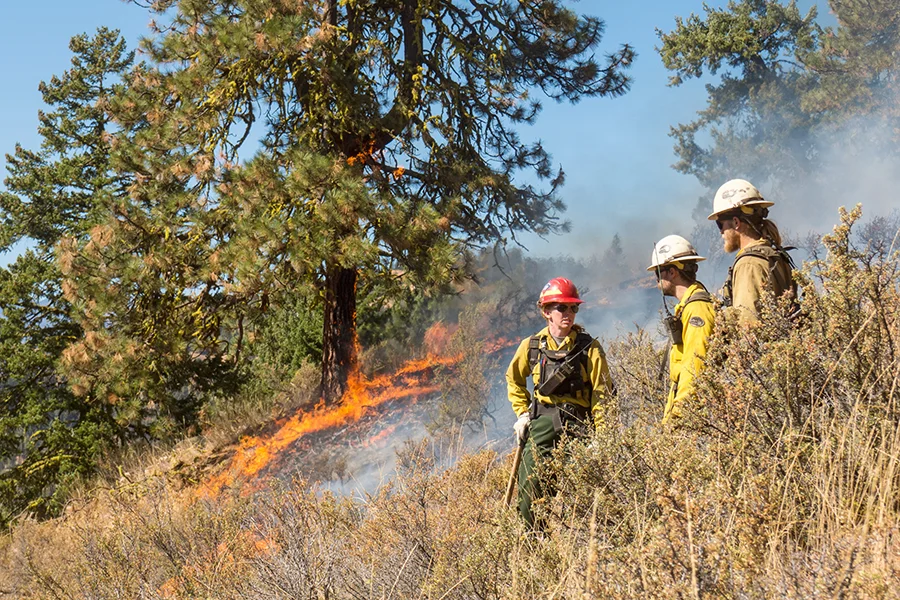
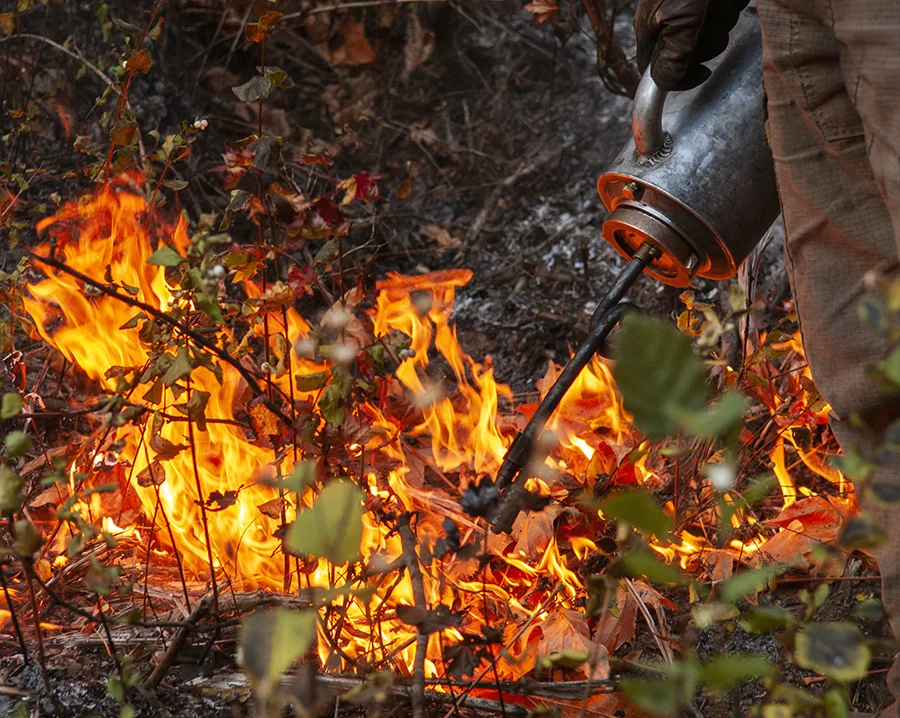
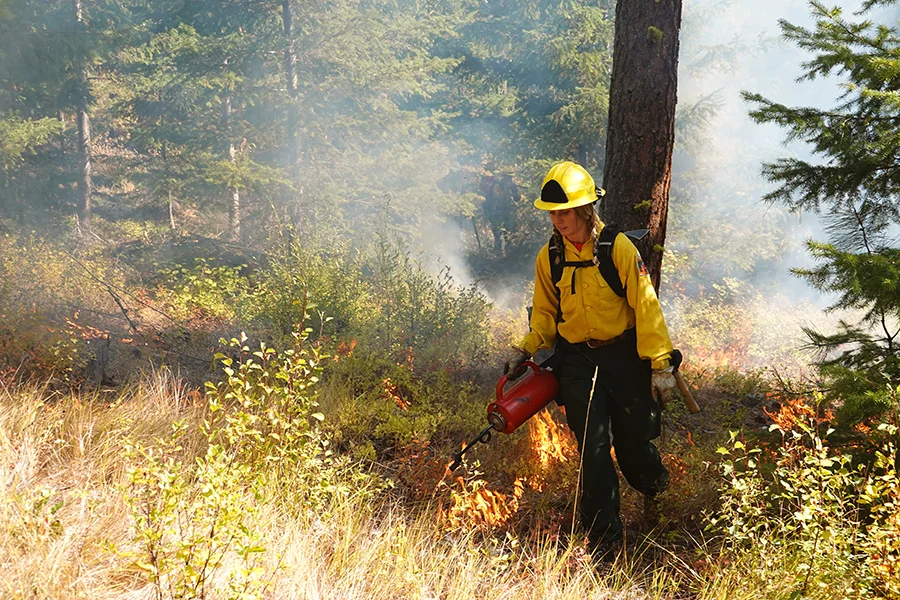
Prescribed fire (also called intentional fire, a controlled burn, or Rx fire) is fire that is carefully planned, intentionally set, and managed under specific weather and fuel conditions to meet clear objectives.

It is:

  • Led by trained professionals and/or certified burn managers
  • Conducted under a written burn plan and burn permit
  • Implemented only when weather, fuel moisture, resources ,and staffing align
  • Monitored before, during, and after ignition


Prescribed fire is different from wildfire. It is deliberate, science-based, and designed to reduce future risk and achieve specific land management objectives.

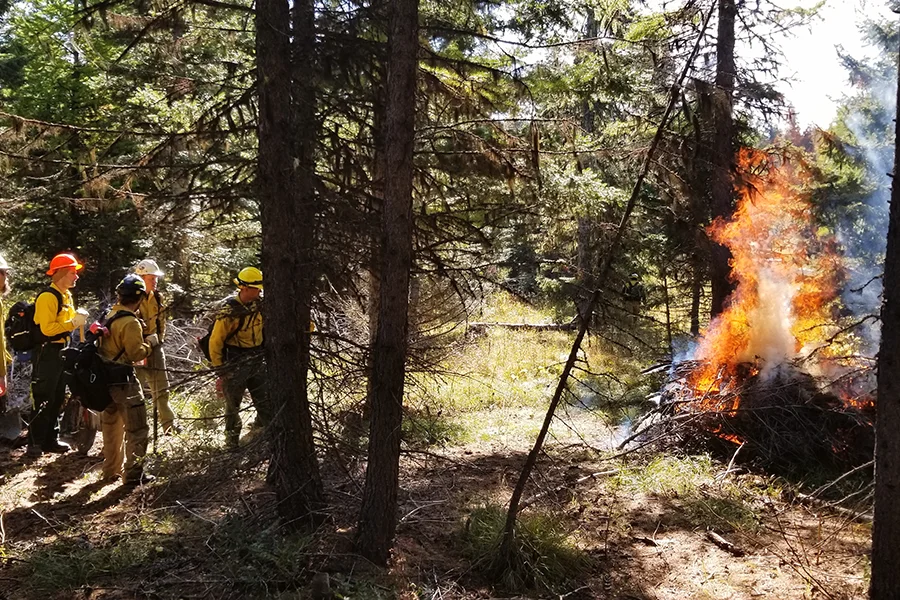
2019 10 01 Fall 2019 Cascadia TREX Kara Karboski 0068
2017 09 27 05 Jana Peterson Discussing Firing On Chumstick Rx Kara Karboski

photo credit: Kara Karboski, Washington RC&D

Related Terms

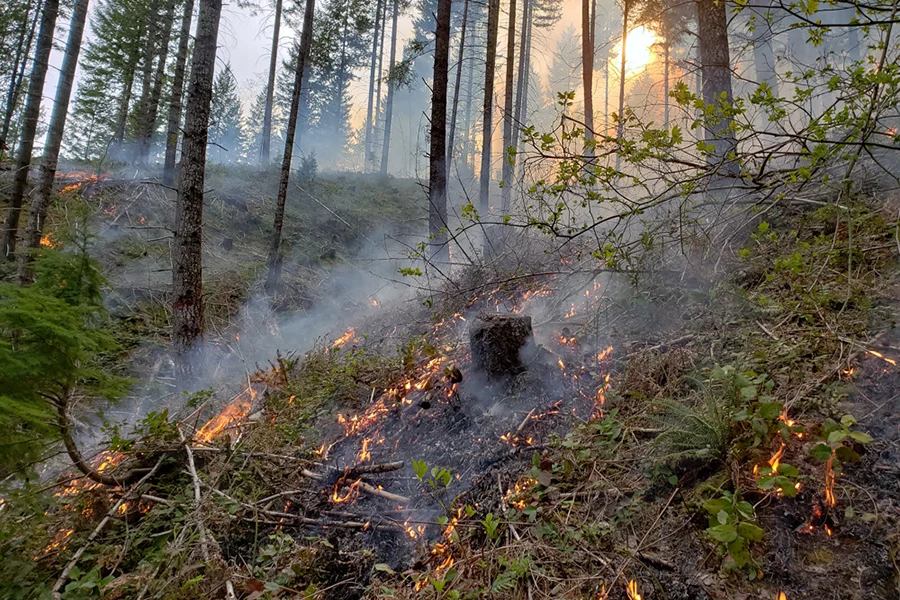
Managed 41870825124 0a3416d22e K

Managed wildfire

Naturally ignited lightning fire that is allowed to burn under specific conditions to meet ecological or fuels reduction objectives.

2018 10 04 Tncwashington Nikolaj Lasbo TNC 45292843 Copy

Cultural burning

Indigenous-led fire practices rooted in Traditional Ecological Knowledge (TEK), used for stewardship, food systems for human and non-human beings, habitat health, ceremony, and individual and community renewal.

To learn more about cultural burning, visit the Indigenous Peoples Burning Network.

Pile 37170077345 171c3e8e12 K

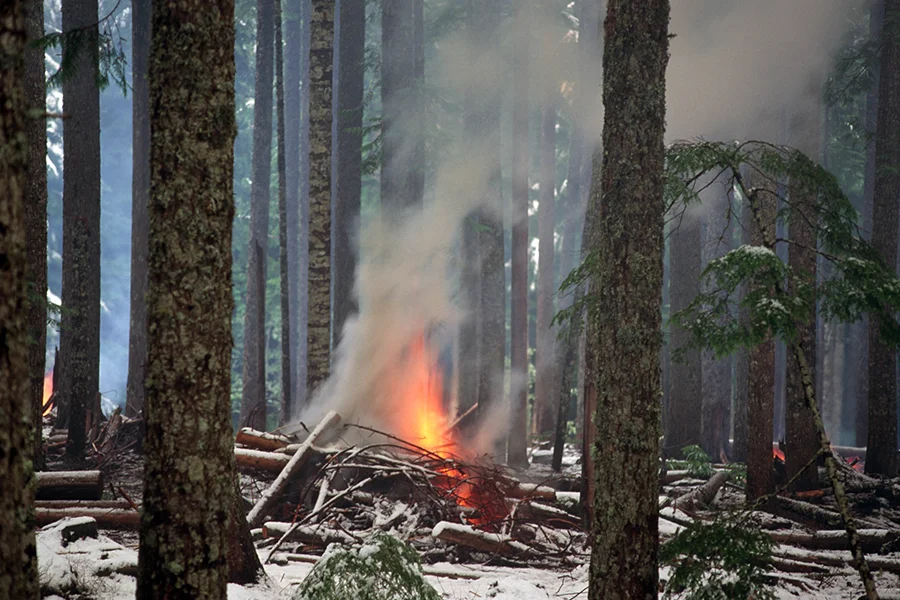
Pile burning

Burning of machine created or hand built slash piles after thinning or fuels reduction work.

Broadcast 2019 10 06 Fall 2019 Cascadia TREX Roslyn Ridge Rx Kara Karboski 0286 Copy

Broadcast burning

Applying fire within a defined area, often as a follow-up treatment to fuels reduction work. Fire is meant to consume all or the majority of surface fuels within the area.

Jackpot 2019 10 02 Fall 2019 Cascadia TREX Eric Kiehn 0001

Jackpot burning

Applying fire within a defined area, or unit, targeting fuel concentrations often as a follow up to fuels reduction work. Jackpot burning typically does not burn all the surface fuels, grasses and needles may remain unburned. 

Credit: Kara Karboski

52000929833 B880cd7c24 B

Tree well burning

The practice of applying fire to the “tree wells” under the tree canopies. This type of burning is done during the winter months, typically when snow is on the ground but underneath tree canopies is dry enough to sustain fire.

Why Use Prescribed Fire?

North Central Washington’s forests and shrub-steppe ecosystems evolved with fire. Many areas in the lower Wenatchee Valley and near the Columbia River experienced frequent, low-intensity fire every 5–25 years, while areas at higher elevations burned less often but more intensely. This is known as the fire-return interval, and it varies by forest type and topographic setting.

After more than a century of fire suppression, many landscapes now have:

  • High fuel continuity – Dense and layered fuels connected across the ground and canopy
  • Ladder fuels – Vegetation in several canopy layers that allows fire to climb from ground to treetops
  • Fire exclusion – stopping the natural occurrence and frequency of wildfires through fire suppression and other influences
  • Overcrowded forests
  • Increased risk of high-intensity wildfire

Credit: North Forty Productions

Prescribed fire:

  • Reduces excess fuels
  • Breaks up fuel continuity
  • Removes ladder fuels
  • Reduces stand density
  • Improves forest and rangeland health
  • Improves wildlife habitat abundance and diversity
  • Maintains and restores fire-adapted plant communities
  • Protects communities from extreme wildfire behavior


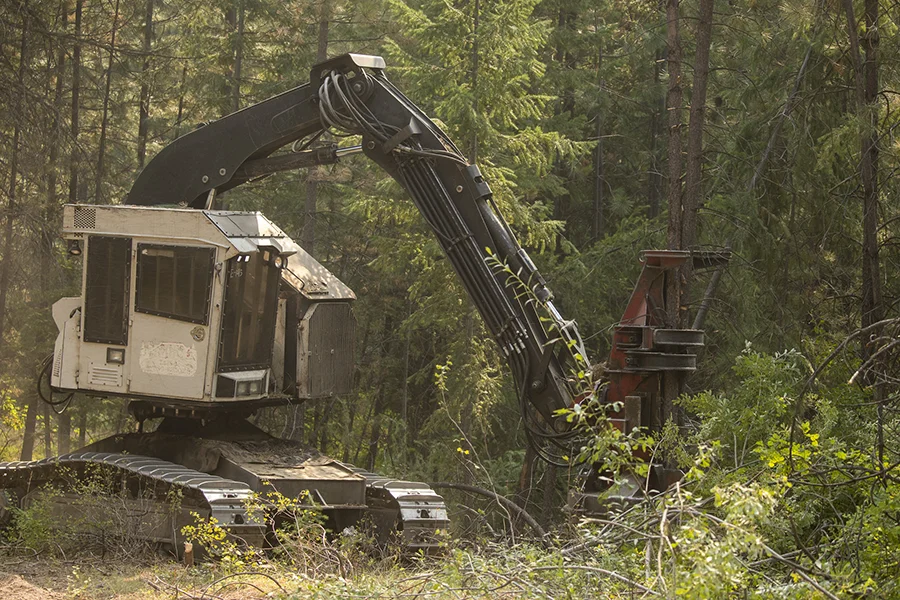
Mechanical thinning is often used first, followed by prescribed fire to treat remaining surface fuels. Together, they are far more effective than either alone.

DJI 0375 Coyote Copy
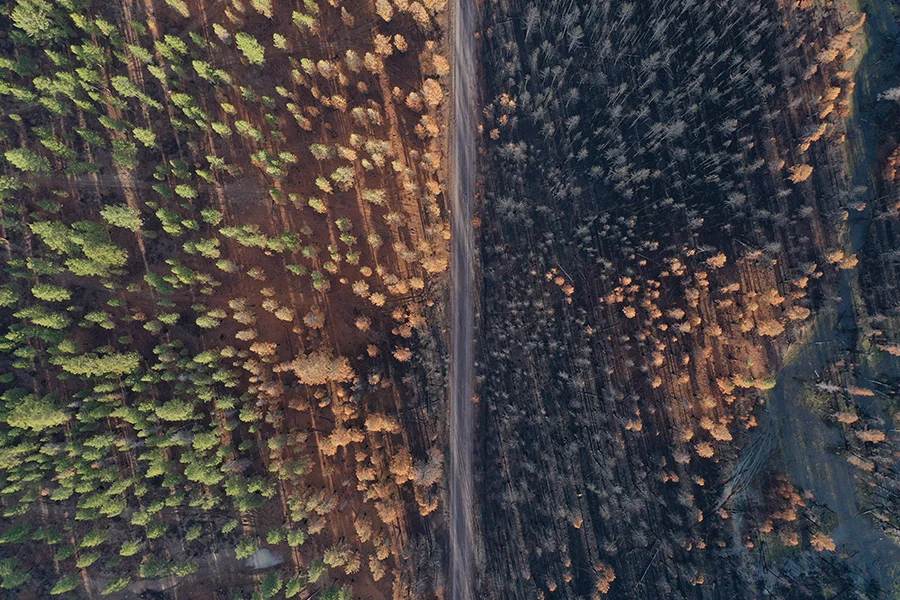
In 2021, the Bootleg Fire in Oregon burned into the Sycan Marsh Preserve managed by The Nature Conservancy. The forest on the left side of the road was thinned and then treated with prescribed fire, whereas the right side of the road was thinned only and not treated with prescribed fire. Photo courtesy of The Nature Conservancy.

When Does Prescribed Fire Happen?

Prescribed burns only take place at the right time, in the right place, and by the right people.

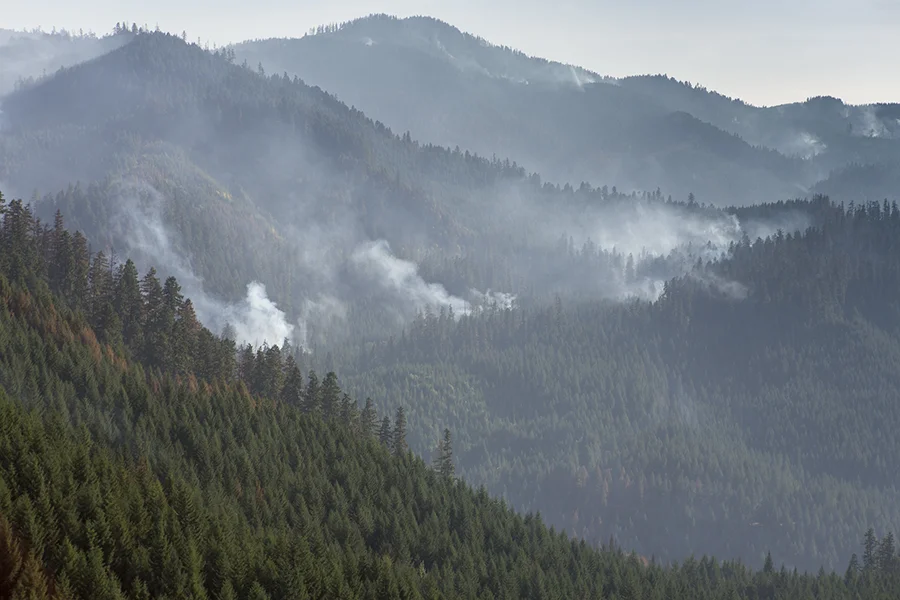
Burn windows depend on: temperature, humidity, wind speed & direction, fuel conditions and their moisture levels, air quality regulations, availability of personnel and other suppression resources. In North Central Washington, burns most often occur in Fall, Winter, and Spring.


Stay Informed

Frequently Asked Questions

Is prescribed fire dangerous?

All fire carries risk. Prescribed burns are carefully planned to reduce risk, with trained crews, weather monitoring, contingency resources, and detailed burn plans. More than 99% of prescribed burns stay within their control lines.

When planning a prescribed burn, managers carefully consider several factors such as weather, time of day, and nearby smoke-sensitive areas in order to reduce smoke impacts. Prescribed fire can reduce the likelihood of future severe smoke events generated by wildfires.

Mechanical thinning removes trees but often leaves much surface fuel behind. Fire reduces those fuels and restores ecological processes that machines cannot replicate. Without prescribed fire, some thinning treatments result in fuel relocation from tree tops to the ground surface.

It does not eliminate wildfire, but it often reduces burned area and typically the fire intensity and makes fire suppression safer and more effective.

Low- to moderate-intensity fire often improves habitat diversity. Wildlife impacts depend on fire timing, frequency, and intensity.