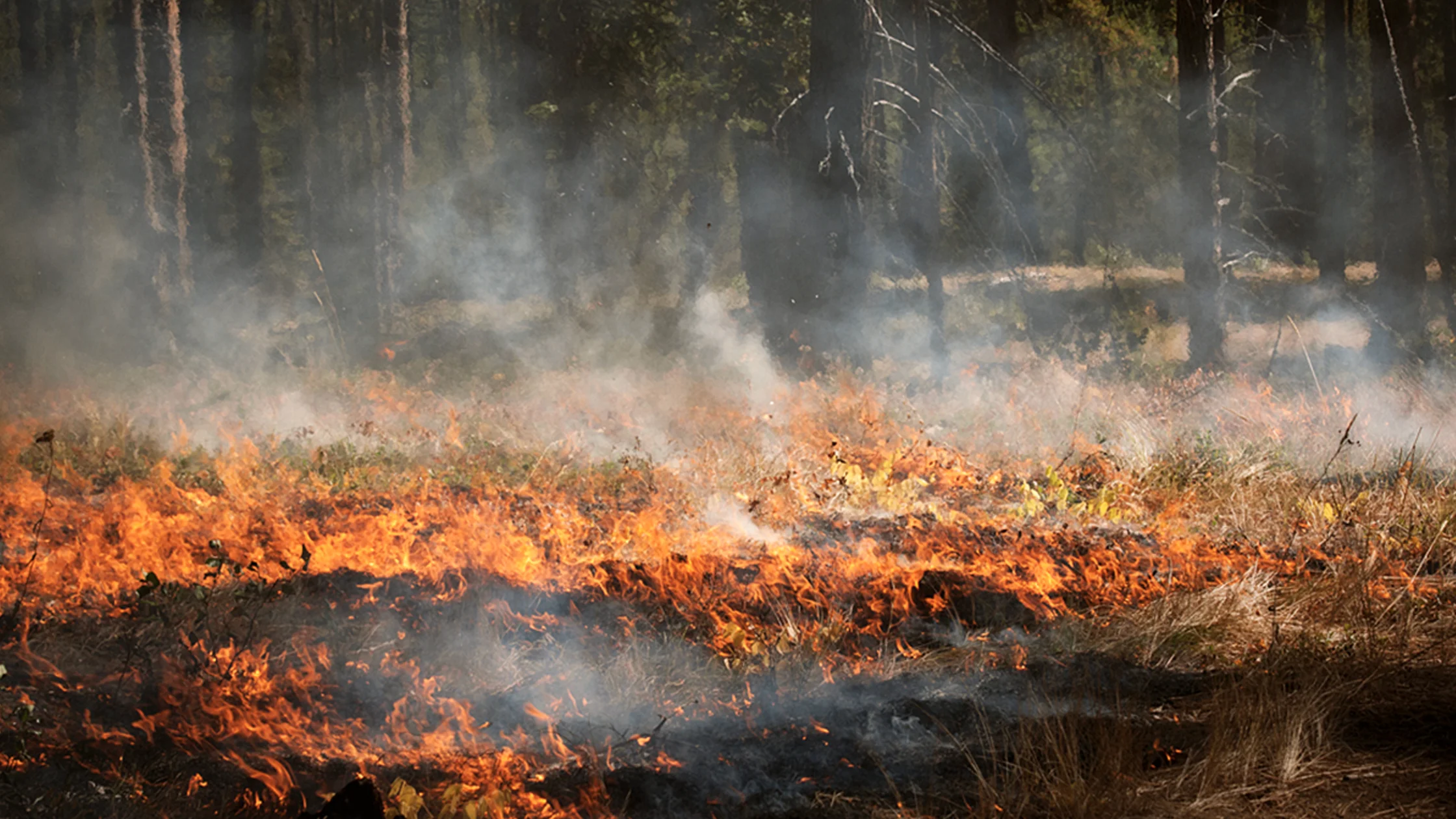
Smoke Preparedness
Smoke & Your Health
Wildfire smoke is part of living in North Central Washington.
Smoke can affect everyone differently, and it can feel confusing to know what matters and what to do. This page explains how wildfire smoke affects your health, who may be more vulnerable, and the simple steps you can take to protect yourself and your family—before smoke arrives and while it’s in the air.
Why Wildfire Smoke Matters
Wildfire smoke isn’t just unpleasant—it contains tiny particles and gases that can get deep into your lungs and bloodstream.
The biggest concern is fine particulate matter, often called PM2.5. Because these particles are very small, the air can look “okay” while still being unhealthy. Other times, when there are large amounts of smoke, you may notice haze and decreased visibility.

Who Is More Vulnerable to Smoke?
More than half our population is considered smoke-vulnerable. Some people feel the effects of smoke more quickly or more severely—but anyone can be affected. Click here to learn more about who is more sensitive to smoke.
How Smoke Can Affect Your Health
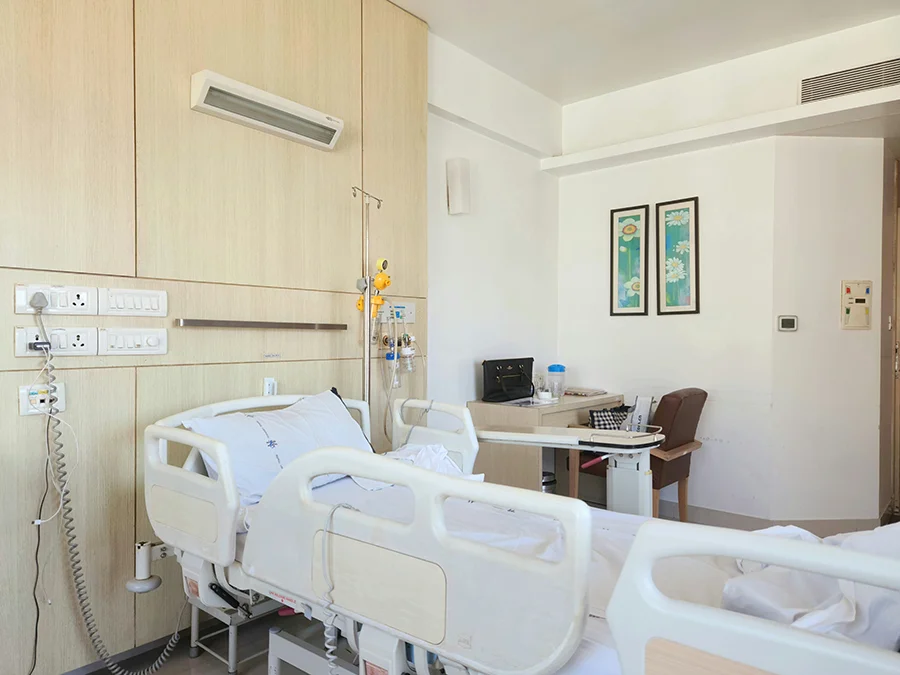
Common short-term symptoms
During smoky days, people often experience:
- Irritated eyes, throat and sinuses
- Shortness of breath or difficulty breathing
- Headaches and dizziness
- Worsening asthma or heart conditions
These symptoms can happen quickly, especially during heavy smoke.
Long-term concerns
There is growing concern about the potential long-term health impacts of smoke on healthy individuals who live in wildfire prone areas such as ours. Long-term exposures may contribute to overall lifetime risk for heart disease, lung disease, asthma and COPD, cognitive decline, memory loss and cancer. Reducing exposure—even during shorter smoke events—can help protect your health in the long run.
What You Can Do to Protect Your Health
Check air quality regularly
Get in the habit of checking local air quality so you’re not caught off guard when conditions change.
Have masks ready
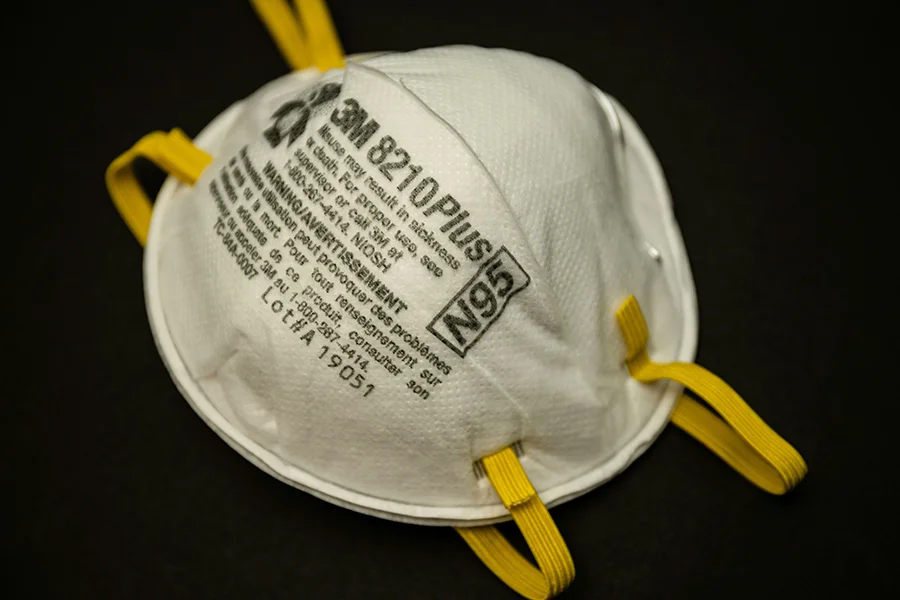
N95 or KN95 masks help filter out smoke particles when worn correctly. Cloth masks and surgical masks do not provide the same protection.
Plan for cleaner air indoors
Think ahead about fans, portable air purifiers, or DIY options. You can learn more about how to create cleaner indoor air (link) include CPT on home made box fan
Make a plan for vulnerable household members
Will someone in your family need a different daily plan? Is there an option for someone to go out of town during a smoke event? If you can’t create cleaner air at home, try to locate a cleaner air space in your community ahead of time.
Limit outdoor activity
If air quality is poor, spend less time outside—especially exercising or doing physical work.
- The health district has a guideline for children & youth to help you assess how long to be outside at different air quality levels.
Keep indoor air as clean as possible
- Use a HEPA portable air cleaner or create a DIY box fan filter.
- Close windows and doors, paying attention to indoor temperatures to avoid heat exhaustion or heat stroke.
- Use air conditioning on recirculate, if available, and use the highest rated MERV filter your system supports and replace frequently.
- Avoid activities that create indoor smoke, like burning candles or frying food.
Use masks when needed
If you must be outside or work outdoors, a well-fitted N95 or KN95 mask can help reduce exposure.
Watch for symptoms
Pay attention to how you and your family are feeling. If symptoms worsen, take steps to reduce exposure and seek medical advice if needed.
Consider ideas to stay mentally strong and engaged
Annual fire seasons can bring anxiety and fear. The loss of homes, workplaces, and community spaces can cause grief, depression, and post-traumatic stress disorder (PTSD). Wildfire smoke can also limit outdoor activity, cut off access to jobs, and create a sense of isolation and community-wide stress.
Social connection is key when your daily activities are disrupted and you may be more isolated indoors. Identify someone you can ask for help and someone in your community you can offer help to. You can also read more ideas on coping with stress of wildfire here.
Call a healthcare provider if smoke symptoms:
- Don’t go away after reducing exposure
- Get worse over time
- Interfere with daily activities
Seek urgent or emergency care right away if someone experiences:
- Severe shortness of breath
- Chest pain
- Confusion or fainting
- Blue or gray lips or fingernails
If you’re unsure, it’s okay to ask for help. Taking symptoms seriously is part of staying safe.
Review additional resources for your health during smoke and wildfire events:

- During, Health, Preparedness
- Family, Homeowner, Renter, Visitor
- During, Health
- Family, Homeowner, Landowner, Renter, Visitor