
Living with Fire
Health Impacts of Wildfire
How Wildfire Affects Our Health
Wildfire doesn’t just affect forests and homes—it affects people and the environment we live in.
In North Central Washington, fire season often means smoke in the air, changes to daily routines, and added stress for individuals and communities. These impacts can be short-term or long-lasting, depending on fire activity, weather conditions, and individual health.
Understanding these effects helps us make informed choices to protect ourselves and those around us.
Smoke and Air Quality
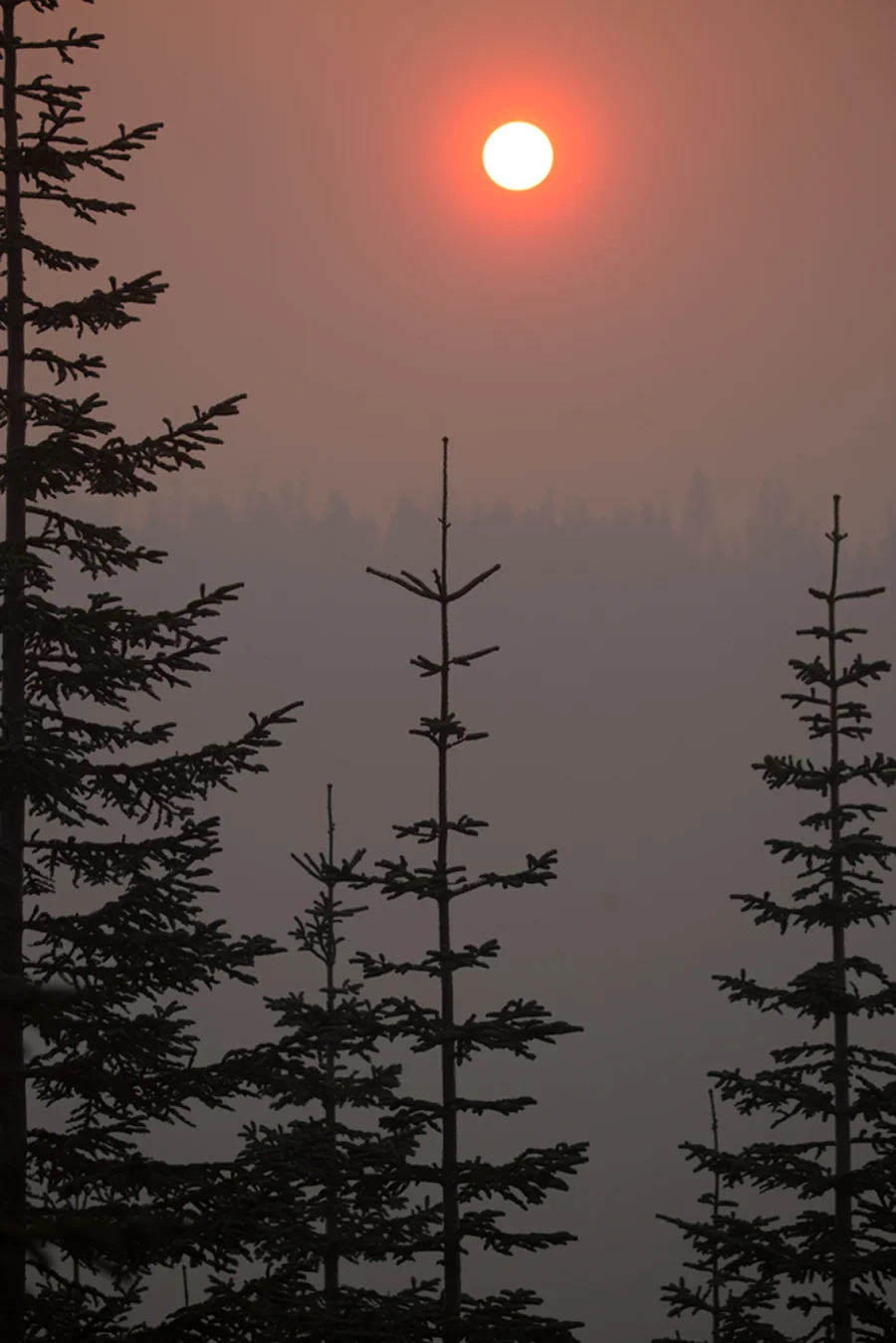
The most immediate and widespread health impact of wildfire is smoke.
Wildfire smoke is a mixture of gases and fine particles released when vegetation and other materials burn. The smallest particles—often called PM2.5—can travel deep into the lungs and even enter the bloodstream.
Smoke levels can change quickly and even fires far from our communities can affect local air quality.
Beyond Smoke:
Other Health Impacts
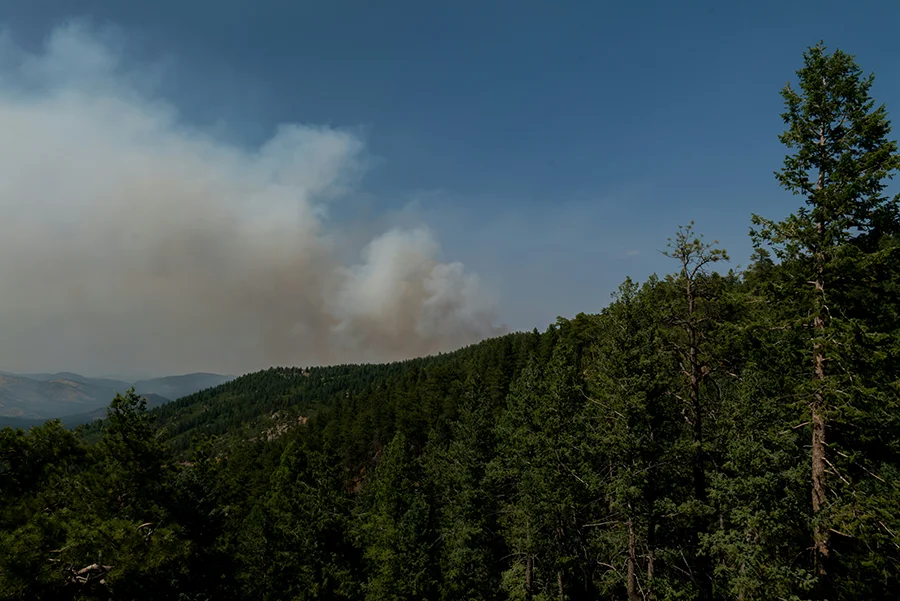
Physical Health Risks
- Burns and injuries during fast-moving fires
- Reduced visibility leading to transportation hazards
- Disruptions to access to medical care during evacuations
Mental and Emotional Health
- Stress and anxiety during fire events
- Stress and anxiety from increased time indoors and isolation from community
- Displacement and evacuation impacts
- Long-term recovery challenges after a fire
Community Impacts
- School and work disruptions
- Strain on healthcare systems
- Impacts to outdoor recreation and daily life
Wildfire is not just an environmental event—it’s a community health event.
What You Can Do
There are simple steps that can reduce your exposure and protect your health during smoke events:
01
Stay informed about local air quality conditions
02
Limit outdoor activity when smoke levels are high
03
Keep indoor air as clean as possible
04
Follow public health guidance during fire events
Small actions can make a meaningful difference—especially for those most at risk.
Protecting Community Health
Living with fire means understanding both the risks and the tools we have to reduce them.
By staying informed, supporting responsible fire management, and looking out for one another, we can reduce the health impacts of wildfire across North Central Washington.