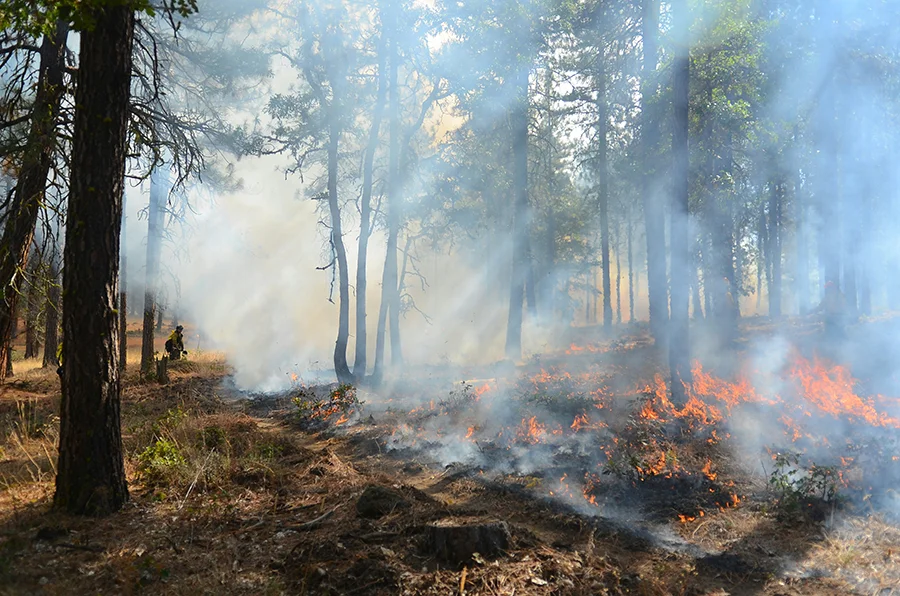
Wildfires in North Central Washington are caused by two primary sources: lightning and human activity. While lightning is a natural part of our landscape, most wildfires caused by people could easily be prevented.
Understanding how fires start is one of the most important steps in protecting our homes, forests, and communities.
Lightning fires typically occur during dry thunderstorms. They often ignite in remote or forested areas and can smolder for hours to weeks before becoming visible.
Lightning is a natural part of our ecosystem, and fire agencies closely monitor storms during fire season to detect and respond to new ignitions quickly.
Most human-caused fires are preventable. We can stop our unintentional ignitions and be more aware of the effect our actions have on forests and shrublands.
The majority of wildfires in Washington are caused by people. These fires can start quickly and spread rapidly under hot, dry, and windy conditions.
Common causes include:
Small actions make a big difference.
Whether you live here year-round or are visiting for the weekend, your choices matter.
Before building a campfire:
When extinguishing your fire:
If it’s too hot to touch, it’s too hot to leave.
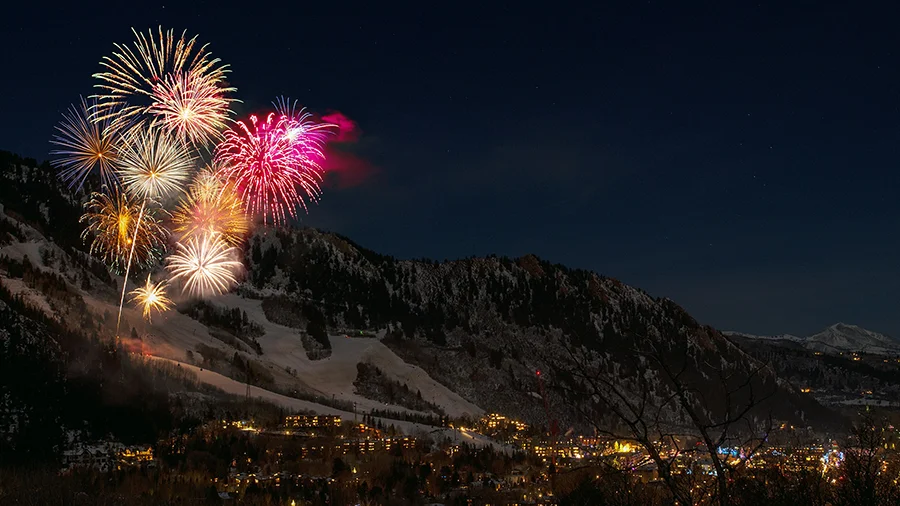
In Chelan & Douglas County’s unincorporated areas and the cities of Cashmere, Wenatchee, Leavenworth and Federal Land, personal fireworks are never allowed. In the unincorporated areas of Chelan & Douglas County personal fireworks are permitted between 6pm and 1am on December 31st (New Years Eve) annually. Permits for public display fireworks are issued following the County’s procedure.
To reduce risk:
Simple precautions can prevent costly and dangerous fires.
Burn bans are temporary restrictions put in place when fire danger is high. They are designed to reduce the risk of wildfire during warm, hot, dry and windy conditions.
A burn ban limits or prohibits certain types of outdoor burning, including debris burning, campfires, and sometimes even charcoal grills.
During peak fire season, even a small spark can lead to a fast-moving wildfire. Burn bans help reduce unnecessary ignitions and protect firefighters and communities.
Burn restrictions may vary depending on where you are. Regulations can differ across:
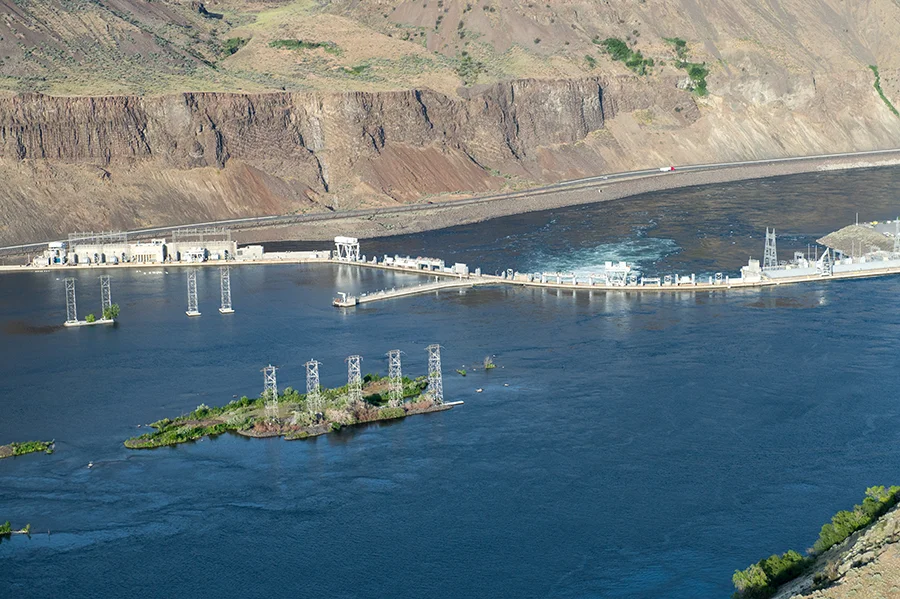
In extreme fire weather, power may be turned off to prevent wildfire. Learn what a Public Safety Power Shutoff (PSPS) is, when it may occur, and how to prepare for temporary outages in your area.
Most wildfires are preventable. By understanding how fires start and taking simple precautions, we can protect homes, forests, wildlife, and communities across North Central Washington.
We use cookies to improve your experience on our site. By using our site, you consent to cookies.
Manage your cookie preferences below:
Essential cookies enable basic functions and are necessary for the proper function of the website.
Statistics cookies collect information anonymously. This information helps us understand how visitors use our website.
Google Analytics is a powerful tool that tracks and analyzes website traffic for informed marketing decisions.
Service URL: policies.google.com (opens in a new window)
Google reCAPTCHA helps protect websites from spam and abuse by verifying user interactions through challenges.