Wildfire Preparedness
Burn Bans & Outdoor Burning
What's your situation?
Outdoor burning rules in Washington are shaped by multiple authorities, each with their own focus and jurisdiction. Knowing who manages what helps you stay safe and compliant before you light any fire.
If you’re unsure, it’s always okay to call your local fire department before you burn.

Federal Agencies
The U.S. Forest Service and Bureau of Land Management (BLM) — oversee burning restrictions on federal lands such as national forests and BLM-managed areas. When fire danger is high, they can ban campfires, open fires, and other activities on public lands to protect natural and cultural resources and reduce wildfire risk.
Fireworks are always prohibited on federal lands.
Okanogan-Wenatchee National Forest Fire Information
Bureau of Land Management Fire Closures and Restrictions
State Agencies
The Washington Dept. of Natural Resources (DNR) and the Dept. of Ecology — manage outdoor burning rules across state-protected lands and for air quality statewide.
DNR uses burn restrictions and permits to reduce wildfire risk on state-managed areas, including prohibiting outdoor fires, including campfires, when fire danger is elevated.
Dept. of Ecology issues air quality burn bans to protect public health when smoke and pollution are unhealthy. These bans can also restrict outdoor burning, residential yard fires, and other smoke-producing activities.
Local Authorities
Chelan County, Douglas County, and local fire districts — set and enforce county or fire district-level fire danger rules and burn bans within unincorporated areas and within city or fire district limits. These local restrictions are tailored to community conditions and can be stricter than state or federal rules — for example, temporarily banning outdoor burning, campfires, or fireworks when local fire danger is high.
In practice, this means before you burn, you should check all applicable jurisdictions for your exact location — federal if you’re on public lands, state for broader fire or air quality rules, and local for county-wide or fire district restrictions — because multiple layers of authority can apply at the same time.
A Quick Reminder About Fireworks
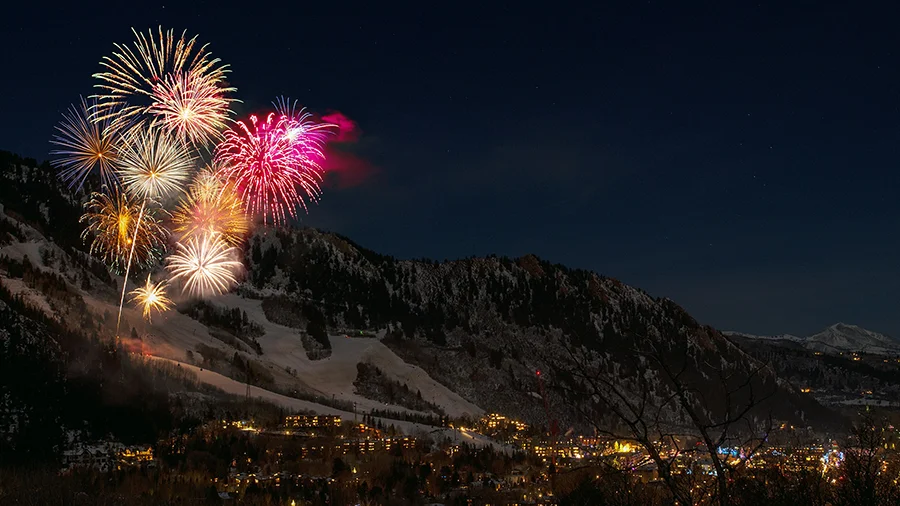
Fireworks are a major cause of summer wildfires. Even small sparks can ignite dry grass and brush. Always follow local fireworks rules — and consider safer ways to celebrate during fire season. Fireworks are always prohibited on national forests and BLM-managed lands.
Pile Burning & Permits
Pile burning may require a permit depending on your location. Before burning, make sure you:
Pile Burning & Permits
- Check current restrictions for your area
- Have the correct permit if required – permits are issued by Washington Dept. of Natural Resources
- Build piles safely away from structures and vegetation
- Never burn on windy days
- Keep water and tools nearby
Frequently Asked Questions (FAQ)
Q: What’s a burn ban, and when is one in effect?
A burn ban means outdoor burning — including debris burning, pile burning, and sometimes campfires — may be prohibited in your area due to elevated fire danger. Restrictions can be seasonal (often June through October), or they can be extended based on weather and fire conditions.
Q: Who sets burn restrictions?
Different authorities can issue burn restrictions depending on location and fire jurisdiction:
- Air quality burn bans – Washington Dept. of Ecology (air quality concerns)
- State burn restrictions – Washington Dept. of Natural Resources (state-managed lands)
- County fire danger restrictions – Chelan & Douglas counties
- Local fire departments – local fire districts can implement local rules and guidance.
Q: Are campfires always banned during a burn ban?
Not always. When a state, county or local burn ban is in effect, all open burning (including campfires) can be prohibited. In some areas, during a DNR burn restriction or national forest burn restrictions, campfires may be limited to designated developed sites only. Typically, gas-powered devices like propane stoves/barbeques and backpacking stoves are allowed because they can be immediately shut off.
Q: Can I burn yard debris during a burn ban?
No. Burning yard debris — such as leaves, grass, brush, and natural materials — is typically prohibited when a burn ban or restriction is in place. This includes most residential pile burning and debris fires.
Q: Do I need a permit to burn?
Some types of burning may require a permit, especially larger burn piles or debris that doesn’t qualify as a “rule burn.” The Washington State Dept. of Natural Resources provides information on their website.
Q: What happens if I burn during a restriction?
Violating a burn ban or restriction can lead to fines and possible prosecution, as well as liability for any fire suppression costs if your fire escapes.
Q: Are fireworks allowed?
Fireworks pose a very high wildfire risk and are often illegal in many parts of Chelan and Douglas Counties during fire season. Even if not explicitly banned by local ordinance, they are strongly discouraged due to fire danger. Fireworks are always prohibited on federal (National Forest and BLM-managed) lands, no matter what other fire restrictions may or may not be in place.
Q: Why do restrictions change so often?
Burning rules can change quickly based on weather, drought conditions, air quality, and wildfire activity. This means something allowed one day may be restricted the next — which is why it’s best to check before you burn.