

Evacuation Level 1 is an official advisory indicating that hazardous conditions (like nearby wildfire activity, smoke, or changing weather) exist in your area and that you should prepare now in case evacuation becomes necessary. This is not a directive to leave yet, but rather a prompt to review your plans and supplies so you’re ready before minutes count.
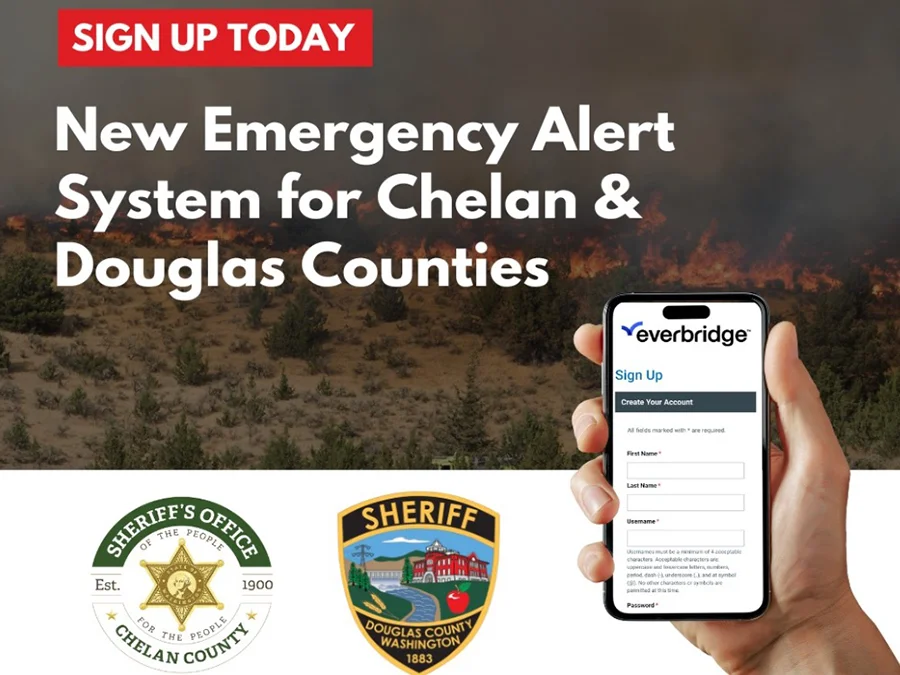
Sign-up for Everbridge emergency alerts:
Sign up for Everbridge emergency alerts:
People who need extra time to evacuate — individuals with mobility needs, those with small children, or those with livestock or large animals — may consider leaving before a Level 2 or Level 3 alert is issued. Remember, conditions can change quickly during an emergency. You may choose to leave early if you feel unsafe.
Small actions make a big difference.
Wildfires are a frequent occurrence in our area. We don’t need to wait until a wildfire starts to practice preparedness. Consider taking these “Level 1” preparations listed below before wildfire season begins. Taking precautions ahead of time will help you to feel more calm in the event of an emergency.
Why it matters: When warning levels change, the earlier you can react with confidence, the safer you are — and the less you’ll have to make decisions under stress.
A basic kit should be ready long before an evacuation is ordered.
Essentials include:
Having these items pre-assembled prevents scrambling at a stressful moment and gives you flexibility if conditions evolve.
We use cookies to improve your experience on our site. By using our site, you consent to cookies.
Manage your cookie preferences below:
Essential cookies enable basic functions and are necessary for the proper function of the website.
Statistics cookies collect information anonymously. This information helps us understand how visitors use our website.
Google Analytics is a powerful tool that tracks and analyzes website traffic for informed marketing decisions.
Service URL: policies.google.com (opens in a new window)
Google reCAPTCHA helps protect websites from spam and abuse by verifying user interactions through challenges.