
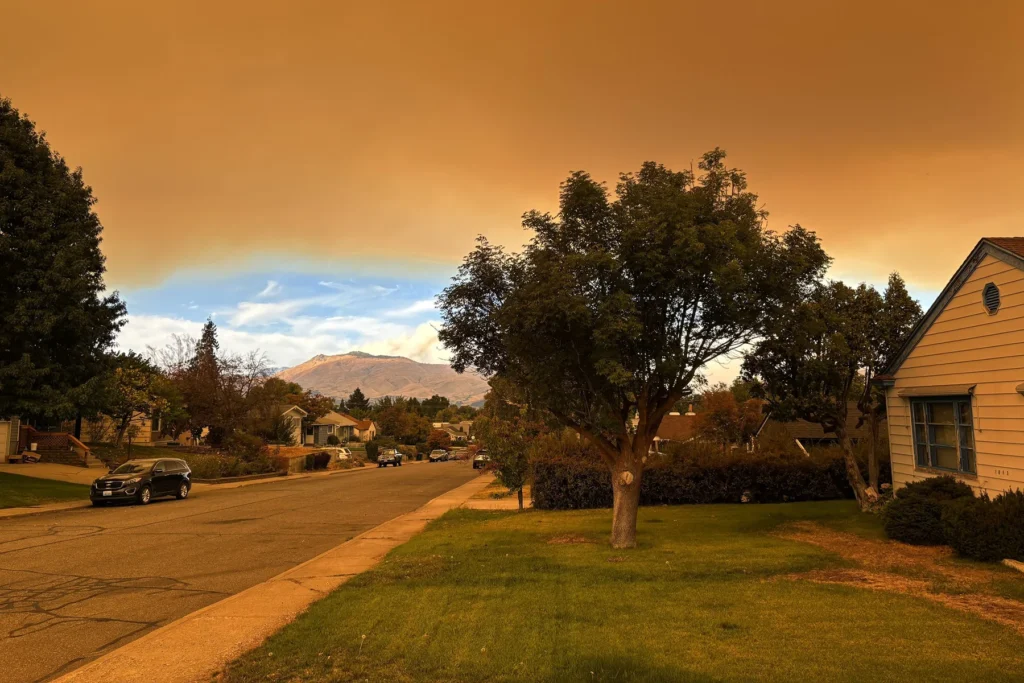
Evacuation Level 2 is issued when there is a good probability you may need to evacuate soon due to an approaching hazard — often wildfire, but also other hazards like floods or storms. Under this level, residents are strongly encouraged to prepare now and be ready to leave at a moment’s notice.

Sign-up for Everbridge emergency alerts:
Sign up for Everbridge emergency alerts:
People who need extra time to evacuate — individuals with mobility needs, those with small children, or those with livestock and large animals — may consider leaving before a Level 3 alert is issued. Remember, conditions can change quickly during an emergency. You may choose to leave early if you feel unsafe.
Keep your evacuation kit accessible — ideally packed and staged near your exit. Kits typically include water, food, medication, important documents, radios, batteries, and supplies for all family members.
If conditions allow and it’s safe to do so:
Pets are part of your family, and national guidance emphasizes bringing them with you when you evacuate.
Planning for pets ahead of time — including knowing pet-friendly shelters or hosts — makes evacuation quicker and safer for everyone.

We use cookies to improve your experience on our site. By using our site, you consent to cookies.
Manage your cookie preferences below:
Essential cookies enable basic functions and are necessary for the proper function of the website.
Statistics cookies collect information anonymously. This information helps us understand how visitors use our website.
Google Analytics is a powerful tool that tracks and analyzes website traffic for informed marketing decisions.
Service URL: policies.google.com (opens in a new window)
Google reCAPTCHA helps protect websites from spam and abuse by verifying user interactions through challenges.