
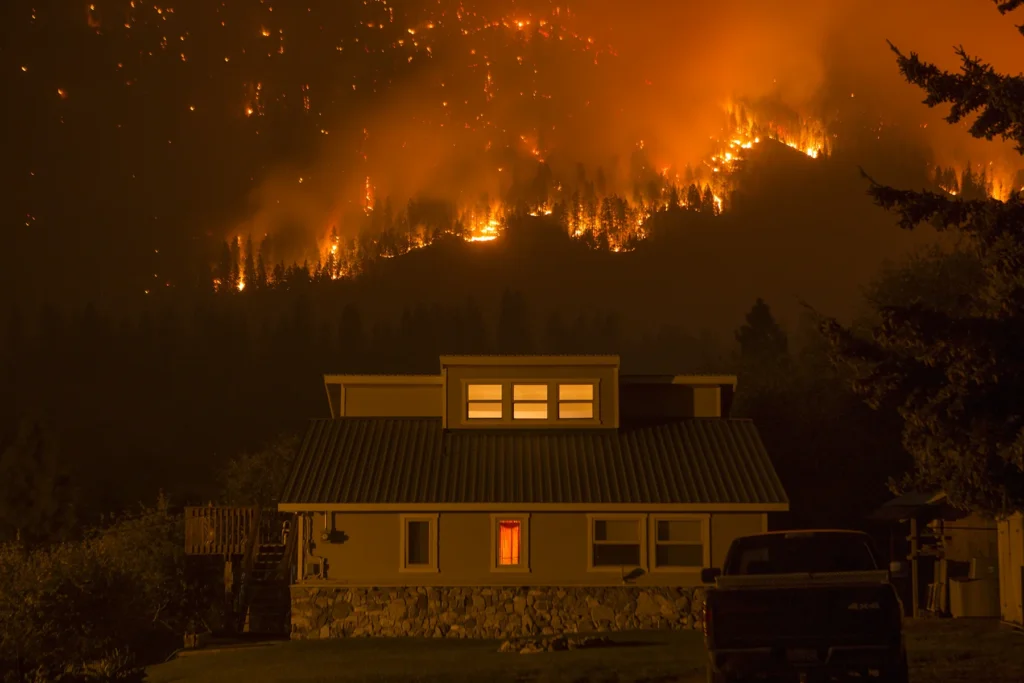
Evacuation Level 3 is the most urgent evacuation notice used by emergency officials. It means conditions in your area are dangerous and life-threatening right now — often because of fast-moving wildfires, extreme heat, smoke, or other hazards — and that you must leave immediately. Staying behind puts you, your loved ones, and first responders at serious risk.
You may or may not receive an emergency alert. If you feel unsafe, evacuate.
For Chelan and Douglas Counties, Level 3 advisories reflect conditions that present specific, immediate threats to life and safety, and emergency services may not be available to assist those who remain.
When Level 3 is declared:
This level is activated only when staying put would expose you to danger. Delaying your departure can reduce your options and put you or others in harm’s way.
If roads become congested, remain patient and attentive — chaos and haste can slow evacuation and put lives at risk.
Pets are part of your family, and national guidance emphasizes bringing them with you when you evacuate.
Planning for pets ahead of time — including knowing pet-friendly shelters or hosts — makes evacuation quicker and safer for everyone.
Once you’re safely clear of the evacuation zone:
This first step after evacuation is crucial for reducing confusion and helping responders track who’s safe.


Evacuation Level 3 — Go Now! is about saving lives and enabling first responders to do their critical work unimpeded. In a wildfire or other severe emergency, your quick response and compliance are among the most powerful actions you can take for community safety.
We use cookies to improve your experience on our site. By using our site, you consent to cookies.
Manage your cookie preferences below:
Essential cookies enable basic functions and are necessary for the proper function of the website.
Statistics cookies collect information anonymously. This information helps us understand how visitors use our website.
Google Analytics is a powerful tool that tracks and analyzes website traffic for informed marketing decisions.
Service URL: policies.google.com (opens in a new window)
Google reCAPTCHA helps protect websites from spam and abuse by verifying user interactions through challenges.