
The most effective wildfire preparation starts close to your home. Creating and maintaining a 5’ non-combustible perimeter around your house is one of the most impactful ways you can reduce the risk of your home igniting during a wildfire.
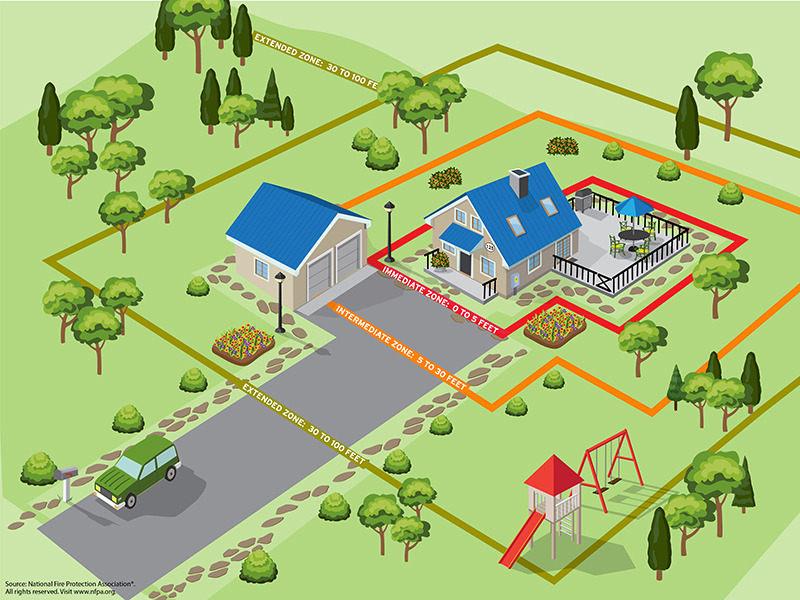
Defensible space is the area around your home that is managed to reduce wildfire intensity and slow the spread of fire.
*you may have seen or heard other terms for defensible space zones
Home hardening focuses on reducing the ways wildfire and embers can ignite your home.
Examples include:
For more information on how to retrofit your home, check out these links:
Tip: Ask about defensible space and home hardening opportunities during your home assessment or through your local fire district.
In some cases, additional fuels reduction may be appropriate beyond the immediate area around your home.
What are fuels?
Fuels are materials – both live and dead – that are combustible. They include leaves, needles, branches, grasses, shrubs, trees, and other debris that can carry fire.
Why reduce fuels?
Fuels are an important part of how fire behaves – how it spreads and how intensely it burns. If fuels are closely arranged next to one another, fire can easily spread horizontally. Space between fuels can reduce fire intensity and slow fire spread.
Fire can also spread from the ground to the tree canopy when fuels are arranged one above the other. This vertical fuel arrangement is often referred to as “ladder fuel.” Ladder fuels and continuous vegetation allow fire to move from the ground into tree canopies and spread more rapidly.
Fuels reduction can include:
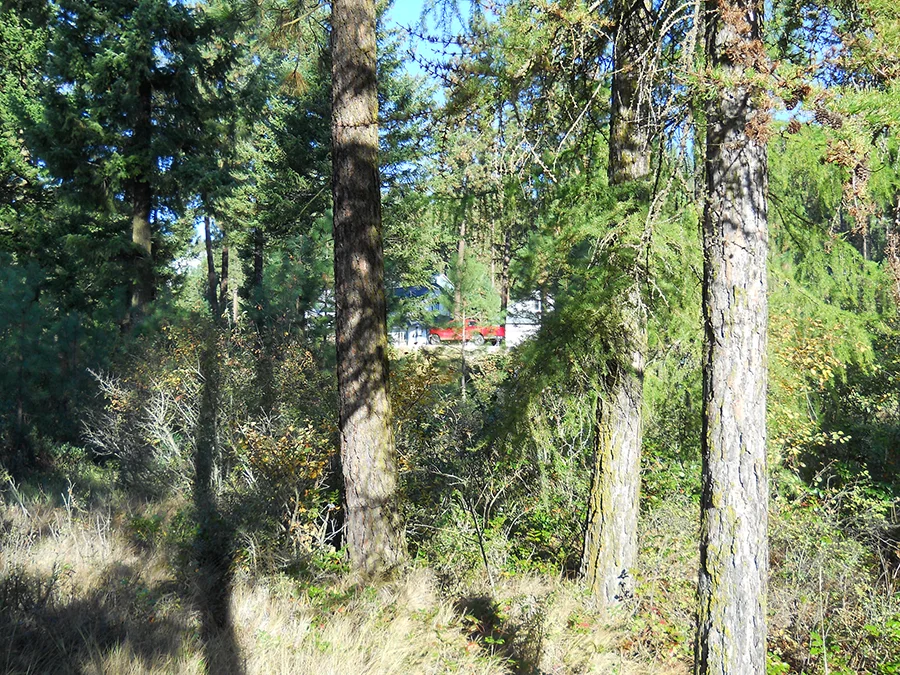
Before Fuels Reduction
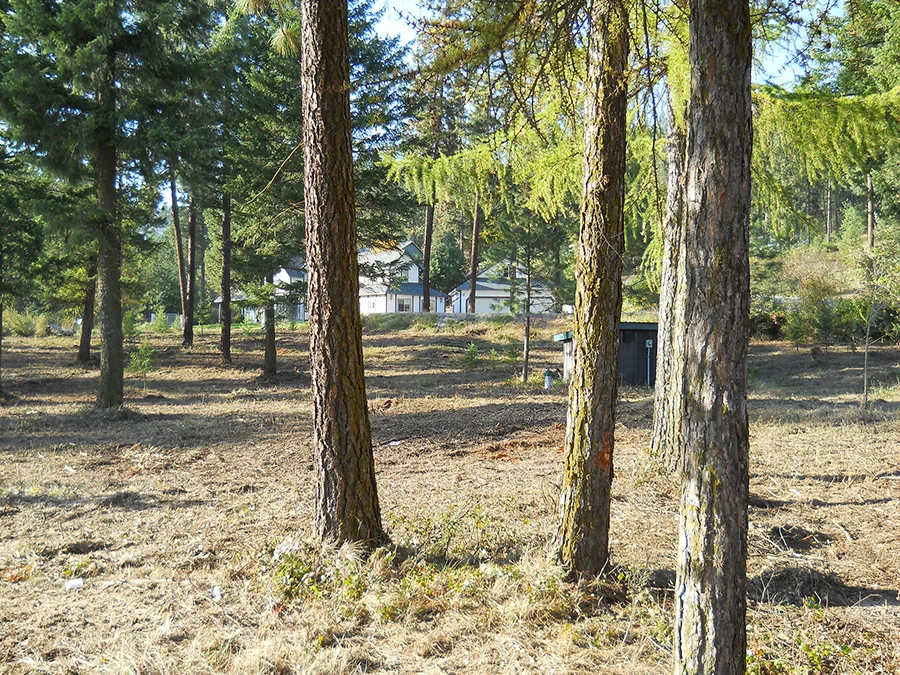
After Fuels Reduction
We use cookies to improve your experience on our site. By using our site, you consent to cookies.
Manage your cookie preferences below:
Essential cookies enable basic functions and are necessary for the proper function of the website.
Statistics cookies collect information anonymously. This information helps us understand how visitors use our website.
Google Analytics is a powerful tool that tracks and analyzes website traffic for informed marketing decisions.
Service URL: policies.google.com (opens in a new window)
Google reCAPTCHA helps protect websites from spam and abuse by verifying user interactions through challenges.